
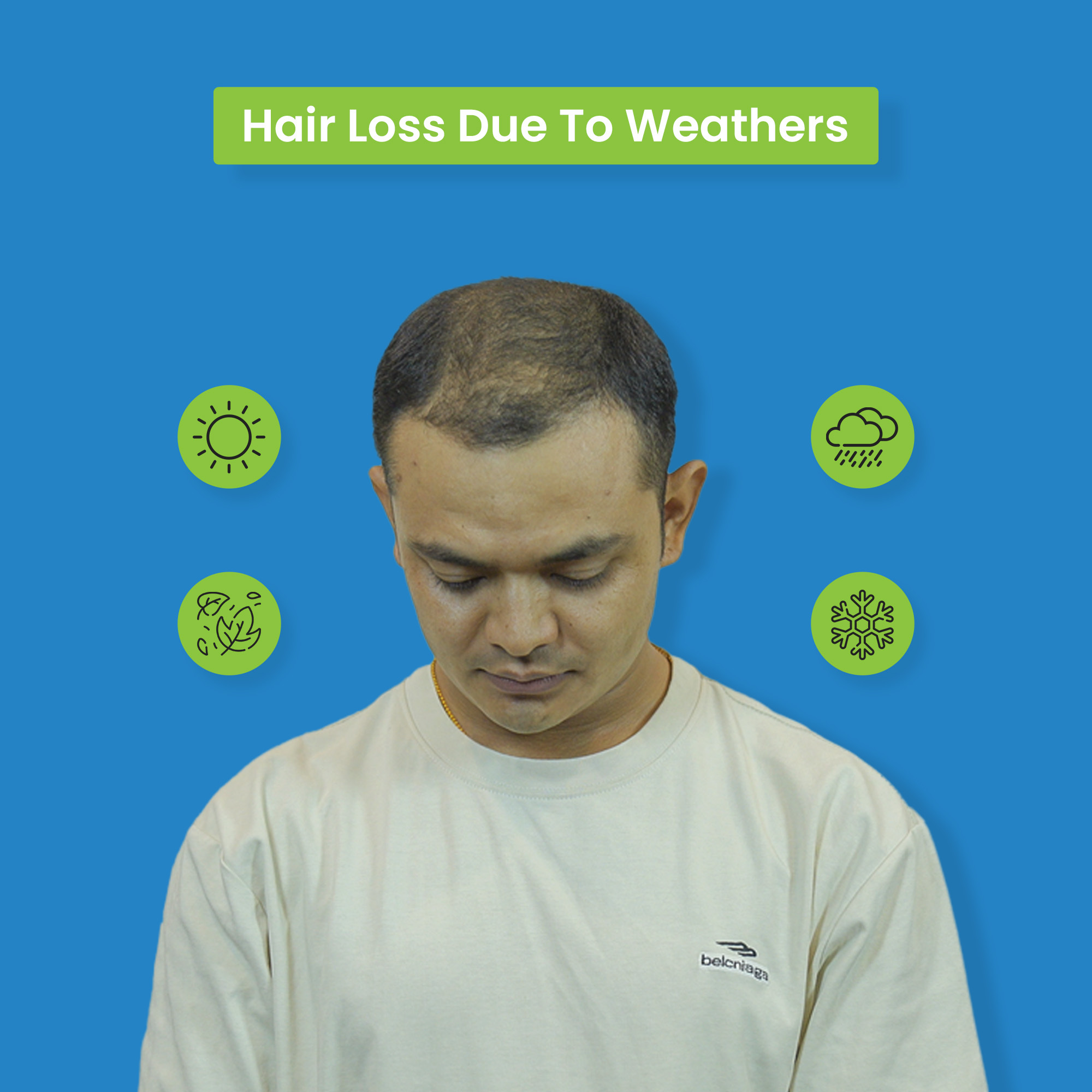
You can protect hair fall by understanding the reason of seasonal hair loss and the external factors. The majority of weather effected hair loss can be protected.
The Science Behind Hair Growth & Shedding
It's essential to understand the hair growth cycle. Your hair goes through:
- Anagen (Growth Phase): The active phase where hair is growing and strengthening.
- Catagen (Transitional Phase): A phase where hair growth slows down and the hair follicle shrinks.
- Telogen (Resting Phase): The final phase where hair falls out to make room for new growth.
As part of this normal cycle you could lose 50 to 100 hairs daily. Weather changes have the ability to disrupt this cycle. For example, extreme winter temperatures or summer heat results in increased shedding.
How Different Seasons Affect Hair
Winter and Hair Loss
Cold weather can make your skin and scalp dry. In winter the dry air and indoor heating take moisture away making scalp dry and itchy. This can make your hair weak and more likely to break.
· Cold temperatures can create dry scalp and brittle hair, leading to irritation. When your hair lacks moisture, it becomes more brittle and prone to snapping.
· Winter dryness weakens hair shafts, resulting in more frequent breakage and shedding. This makes it appear like you're losing more hair than usual.
Summer and Hair Loss
While summer provides warmth and sunshine, it may also present a number of obstacles for your hair. Excessive heat, humidity, and ultraviolet radiation from the sun can harm hair and alter its natural development cycle.
· Excessive sweating and sun exposure can cause greasy scalp, plugged pores, and hair follicles. Furthermore, UV radiation from the sun can weaken hair strands, causing colour loss and damage.
· Chlorine and salt water can dry out your hair, leaving it more prone to damage. These harsh substances deplete hair's natural oils, leaving it weakened and prone to split ends.
Dry or Arid Climates
Living in an arid or dry area can cause its own set of hair issues. The absence of humidity in the air might result in a dry, flaky scalp and damaged hair roots.
· Scalp Dehydration: Low humidity might cause severe dryness. This can cause itchiness, flakiness, and hair loss.
· Lack of moisture in the scalp can damage hair follicles, leading to brittle hair that readily comes out.
Common Weather-Related Hair Concerns
Certain hair issues are particularly common during specific seasons or climates, such as:
- Frizz and Dryness: Summer humidity may produce frizz, while winter dryness can leave hair flat and lacklustre.
- Increased Shedding: Seasonal shift such as winter and spring or summer and fall can lead to increased hair shedding.
- Static and Flyaways: During colder months, static electricity can accumulate indoors with heating. This can result in flyaways and frizz, making hair difficult to manage.
How to Prevent Seasonal Hair Loss
Hair Care Tips by Season
Each season requires different care to keep your hair healthy and minimize shedding:
- Hydrating Treatments for Winter: Use moisturising shampoos and deep conditioning treatments to keep your hair hydrated during the cold months.
- Scalp Cleansing in Summer: Sweating oil and chlorine/saltwater accumulation can block hair follicles. Regularly wash your scalp to reduce buildup and promote healthy hair development.
- Protective Hairstyles for Windy or Dry Climates: In windy or dry condition hairstyles braids or buns protect hair from environmental stresses like dust and dryness.
- Avoiding Heat Tools and Harsh Shampoos: They can cause hair dryness and breakage, particularly during winter. In the summer, avoid using strong shampoos that strip the hair of its natural oils.
Diet and Supplements
What you eat has a significant impact on the health of your hair. Eating the appropriate nutrients can help strengthen your hair and reduce seasonal shedding.
- Nutrients including biotin, zinc, and vitamin D promote hair development and scalp health. They aid to support hair follicles while also improving hair thickness and strength.
- Seasonal foods, like avocados in the summer for healthy fats and sweet potatoes in the winter for vitamins, may feed your hair from inside.
Lifestyle Adjustments
Simple adjustments to your lifestyle can help reduce the affects of weather on your hair:
- Use a humidifier in winter to prevent dry indoor air and keep your scalp moisturised.
- Protect your hair from damaging UV rays in the summer, just like your skin. To prevent your hair from damage, look for UV-protective products.
- Regular scalp massages improve circulation, promote healthy hair development, and reduce hair loss.
When to See a Professional
While seasonal shedding is normal, there are times when hair loss might be more than just a seasonal issue:
- Signs that your hair loss is more than just seasonal: If you have severe hair loss over a lengthy period of time or observe bald patches, it might be due to an underlying medical problem.
- When to Visit a Dermatologist or Trichologist: If your hair loss is continuous or severe contact a scalp and hair health specialist. They can assist determine if your hair loss is caused by weather changes or something else such as hormonal abnormalities or scalp infections.
Conclusion
Weather and temperature have an undeniable impact on hair health, but with appropriate care, most seasonal shedding is transient. Understanding how different seasons impact hair development and applying tailored hair care routines will help you maintain your hair strong, moisturised, and gorgeous all year. Remember that preventive maintenance and seasonal adjustments to your hair care routine are essential for preventing long-term damage. Stay diligent and nurture your hair with the appropriate products, lifestyle changes, and diet.
FAQ
1. Is hair fall common during seasonal changes?
Yes, it’s completely normal to experience increased hair shedding during seasonal transitions. This is usually temporary and is linked to the natural hair growth cycle.
2. How long does seasonal hair loss last?
Seasonal hair loss typically lasts a few weeks, with the shedding often starting in the fall and peaking in early spring. With the right care, hair usually recovers by the time the season shifts.
3. Can weather cause permanent hair loss?
No, weather-related hair loss is typically temporary. However, prolonged exposure to harsh environmental factors without proper care could lead to permanent damage over time.
4. What are natural remedies for weather-induced hair fall?
Some natural remedies include using coconut oil for scalp hydration, aloe vera for soothing dry skin, and apple cider vinegar to balance scalp pH and prevent buildup.