
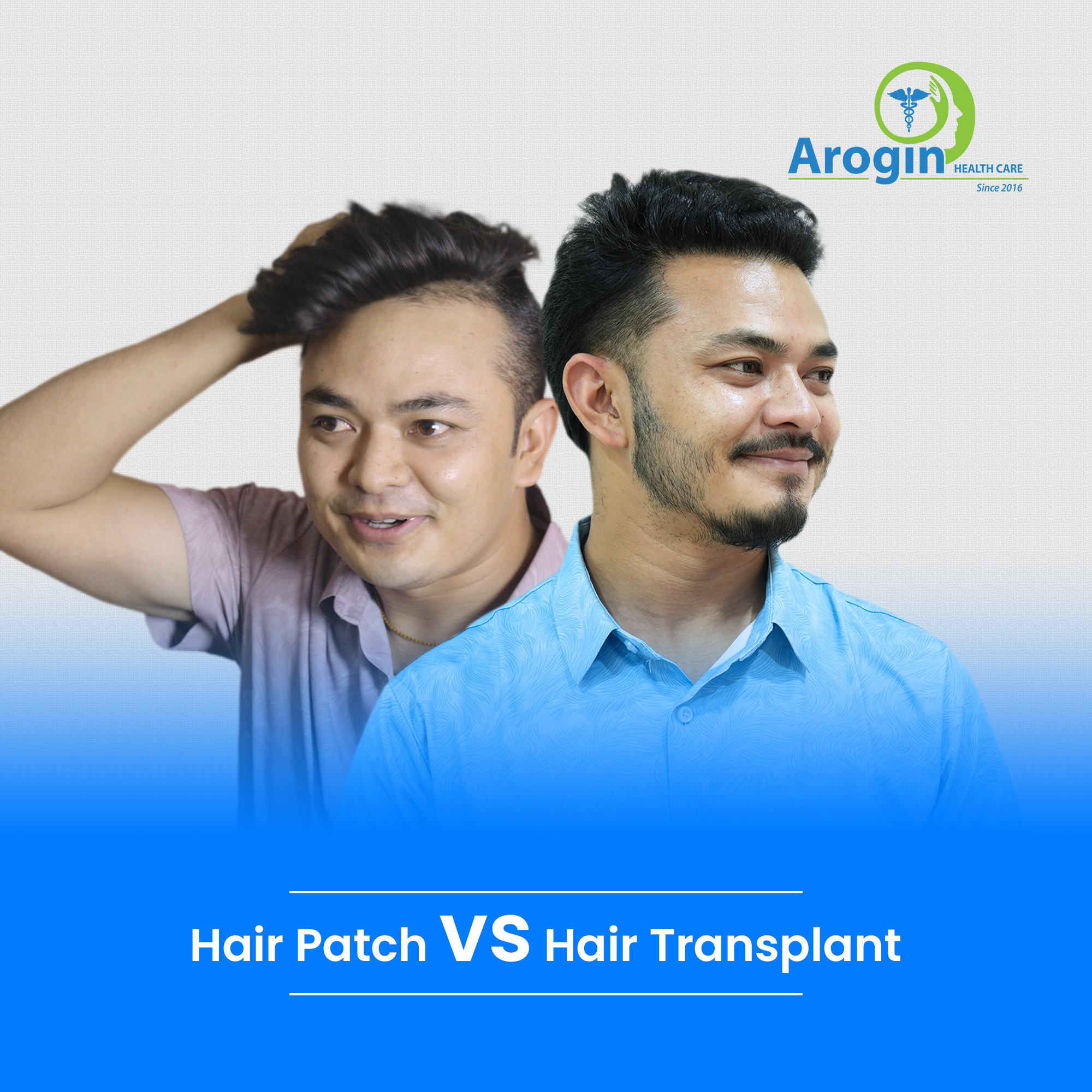
In most cases, the choice comes down to two options: temporary hair patches or a permanent hair transplant.
Both can improve how you look, but they work in very different ways. One covers the problem from the outside. The other treats it at the root. This guide explains both options in simple terms so you can decide what fits your needs, lifestyle and long-term plans.
What Is a Hair Patch?
A hair patch is an artificial hair solution used to hide bald or thinning areas.
It is made from natural human hair fixed onto a thin base, usually lace or a skin-like material. The patch is designed to match your hair color, texture and density so it blends with your existing hair.
How a Hair Patch Works
- The patch is attached to the scalp using medical adhesive or clips
- There is no surgery or medical procedure
- Results are visible immediately, often within a few hours
When done properly, hair patches can hide the hair loss at first. However, they sit on top of the scalp and do not grow or behave like real hair.
What Is a Hair Transplant?
A hair transplant is a medical procedure that restores hair using your own natural hair.
Healthy hair follicles are taken from the donor area, usually the back or sides of the head, where hair is resistant to hair loss. These follicles are then placed into thinning or bald areas. Once transplanted, the hair grows naturally and stays for life.
How a Hair Transplant Works
- Performed under local anesthesia
- Uses modern techniques such as FUE, DHT, B.E.S.T.
- Transplanted hair grows, sheds and regrows like normal hair
At Arogin Health Care, hair transplants are planned after proper medical evaluation. Donor strength, scalp condition and natural hair direction are carefully assessed. The clinic also practices the B.E.S.T. (Bio Enhanced Simultaneous Transplant) method, which is designed to support healthy graft survival and natural growth.
Hair Patch vs Hair Transplant: Simple Comparison
| Point of Comparison | Hair Patch | Hair Transplant |
| Results | Immediate | Full growth in 9–12 months |
| Type of solution | Cosmetic cover | Medical treatment |
| Procedure | Non-surgical | Minor surgery |
| Permanence | Needs regular replacement and maintenence | Permanent |
| Maintenance | Frequent clinic visits | Normal hair care |
| Scalp comfort | May cause irritation over time and increase hair loss and baldness | Feels natural |
| Daily freedom | Some limitations | No restrictions |
The main difference is clear: one hides hair loss, the other restores hair growth.
Advantages of Hair Patches
- Instant change in appearance
- No surgery or recovery time
- Works even in advanced baldness
- Lower starting cost
Disadvantages of Hair Patches
- Needs regular cleaning and reattachment
- Adhesives may cause itching or redness
- Swimming, sweating and exercise need caution
- Costs continue for as long as you use it
Many users also feel worried about the patch shifting during strong wind or physical activity, which can affect peace of mind over time.
Advantages of Hair Transplant
- Uses your own real hair
- Long-lasting solution
- No special care after healing
- You can wash, cut, style, swim and exercise freely
Disadvantages of Hair Transplant
- Results take time and patience
- Temporary hair shedding happens in the first month
- Not suitable if donor hair is very weak
Mild redness or uneven growth in the first few months is normal and part of the healing process.
Daily Life and Maintenance
Hair patches need professional servicing every 3 to 4 weeks. The patch must be removed, cleaned and reattached correctly. Doing this improperly can damage the patch or irritate the scalp.
In Hair transplant after the healing period, daily life feels normal again. Hair can be trimmed by any barber and treated like natural hair. In some cases, supportive treatments like PRP or GFC may be advised to keep the scalp healthy.
Cost Over Time
Short-Term Cost
- Hair patches cost less at the beginning
- Hair transplants require higher upfront medical fees
Long-Term Cost
- Hair patches involve repeated spending on servicing and replacement
- Over several years, total patch costs often become higher than a one-time hair transplant
A hair transplant is paid for once. A hair patch is paid for again and again.
Which Option Should You Choose?
The decision depends on whether you want a short-term appearance or a long-term solution.
A Hair Patch May Suit You If:
- You need an immediate look
- You are not suitable for surgery
- You are comfortable with hair loos and only require patch for events
A Hair Transplant May Suit You If:
- You want a permanent solution
- You prefer minimal maintenance after recovery
- You want hair that are natural
Why Medical Consultation Is Important
Hair loss is different for everyone. Not all cases need surgery and not everyone benefits from temporary systems in the long run. A proper consultation helps check:
- Donor hair strength
- Scalp condition
- What result is realistic for you
At Arogin Health Care, consultations are based on medical evaluation, not quick cosmetic promises. This careful approach is one of the reasons the clinic is widely known as a pioneer in hair transplant care in Nepal.
Final Thought
Hair patches change how you look today. Hair transplants change how you live with your hair every day.
If you are thinking about a long-term solution, the best first step is a proper medical assessment and clear understanding of your options.