
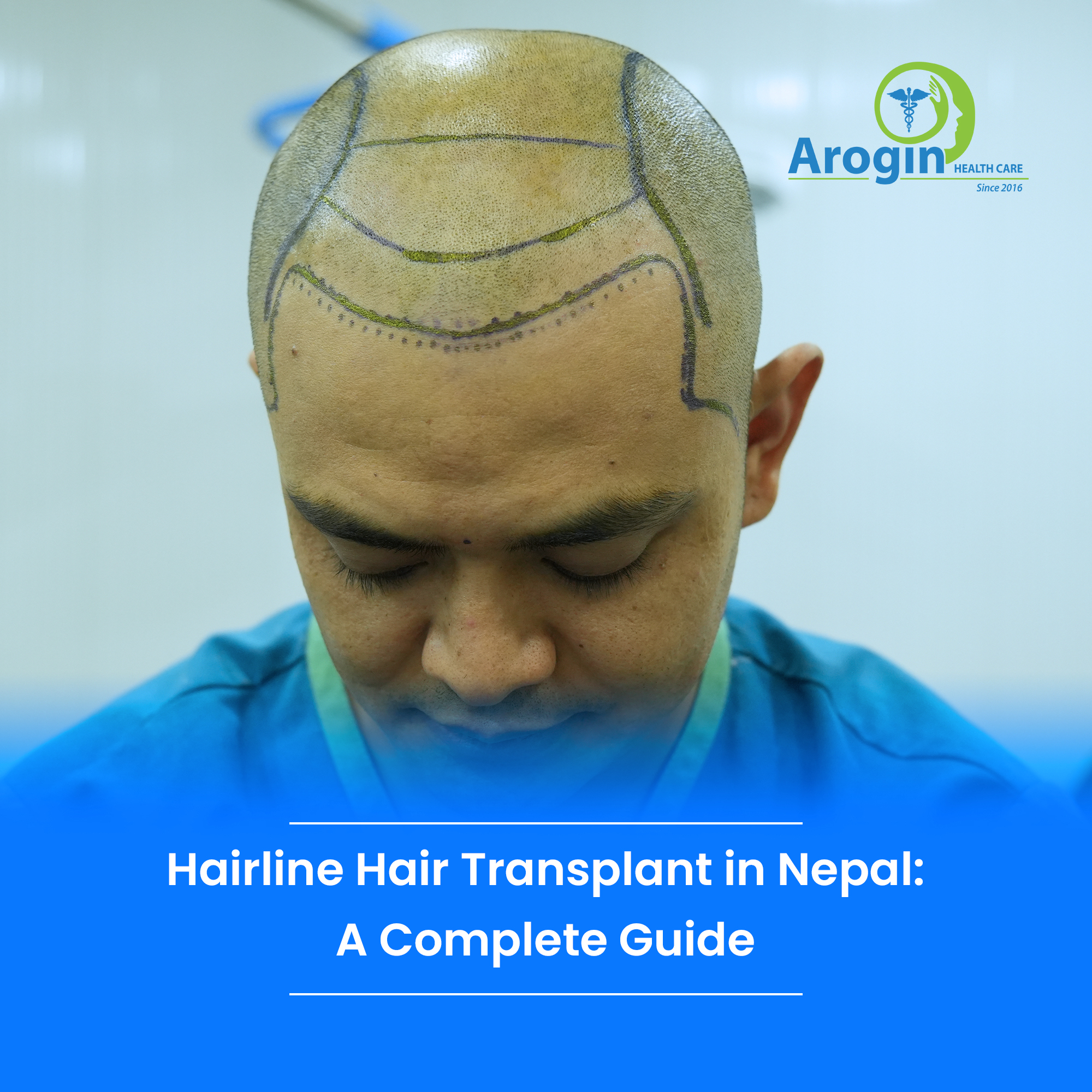
This guide walks you through what the procedure involves, how it works, what results to expect and why choosing the right surgeon matters more than anything.
What a Hairline Transplant Actually Does
A hairline transplant restores the thinning or receding front area by relocating healthy follicles from the back and sides of the scalp. These donor hairs are naturally resistant to the hormone that causes most male pattern thinning, which is why they keep growing for years after being transplanted.
The main goal is not just filling gaps. It’s designing a hairline that looks right for your age, your facial features and your long term hair pattern. A hairline that looks too low or too flat may seem unnatural later in life, so planning is a crucial step.
Understanding Why the Hairline Recedes
Genetics is the most common cause, but other factors play a role too. Some people have a naturally higher hairline from childhood. Others experience early recession because of long term tension from tight hairstyles, stress related shedding or hormonal shifts.
Thinning usually begins around the temples. As the years pass, the “M” shape becomes more noticeable. If the process continues, the recession deepens and the forehead appears broader. A hair transplant rebuilds this outline with careful placement and long term planning.
How Your Hairline Is Designed
Hairline design is an art supported by anatomy.
Your surgeon studies:
• Your age
• Your donor supply
• Your natural growth pattern
• The symmetry of your forehead and temples
The final outline should feel like it belongs to your face not forced or artificial. At Arogin Healthcare, hairline restoration team is led by Dr. Manish Bhakta Pradhan, trained under Dr. Kavish Chauhan qualified physician member of ISHRS (International Society Of Hair Restoration Surgery) since 2010.
What Happens During the Procedure
Preparation
You will be advised to avoid alcohol and smoking for a short period, stop specific medicines if needed and come with clean hair on the morning of the procedure.
Surgery Day
The surgeon marks the exact outline of your new hairline. Local anesthesia ensures comfort.
Graft extraction begins, followed by sorting of the follicles based on how many hairs each contains. Single hair grafts are used for the front outline and multi hair grafts go slightly behind them. This layering helps create a natural density gradient.
Implantation
Tiny, precise micro sites are created at specific angles so the new hairs grow in the same direction as your original pattern. You return home the same day with a clear post care routine.
Recovery and Growth Timeline
First Weeks
The transplanted hairs may shed within two to four weeks. This is normal and part of the natural cycle.
Months Three to Six
New hairs slowly begin to appear. They often start fine and then thicken over time.
Months Six to Nine
Density begins to show. Most people start noticing meaningful progress during this period.
Nine to Eighteen Months
This is when the final result settles. Texture, thickness and density all improve as the new hairs mature.
Because donor hairs are genetically strong, they usually remain stable for many years.
How to Know if You’re the Right Candidate
A good candidate typically has stable hair loss, a healthy donor area and realistic expectations.
Patients who combine their transplant with supportive treatments like finasteride, minoxidil, PRP or GFC often maintain stronger long term results. Your surgeon will advise what suits your condition.
Costs of Hairline Hair Transplant in Nepal
Prices of hair transplant vary depending on:
• The number of grafts
• The technique (FUE or advanced approaches)
• The surgeon’s experience
• The clinic’s safety standards and equipment
Hairline cases usually need fewer grafts than full scale restoration, which keeps cost moderate. At Arogin Healthcare, graft numbers are planned carefully to match your long term hair pattern, not just short term coverage.
Choosing the Right Surgeon Matters More Than the Technique
Hair transplant results depend on the surgeon, not the machine or device.
The same technique can produce excellent or poor results depending on who performs the planning, extraction and implantation. Nepal has many clinics where technicians handle most of the procedure. This increases the risk of unnatural angles, low survival and patchy density.
A hairline is the most visible part of your transplant, so the work must be handled by a trained surgeon. Dr. Manish’s approach, combined with Arogin’s advanced methods such as the B.E.S.T technique, focuses on safe extraction, strong graft survival and balanced design.
Why Many Patients Choose Arogin Healthcare
Arogin Healthcare is known for its medical director team of AIIMS trained doctors guiding the overall standards of the center. Hair transplant procedures, however, are led by dedicated transplant surgeons especially Dr. Manish, trained under Dr. Kavish Chauhan, a respected figure in the field.
The clinic combines:
• Careful diagnosis
• Safe surgical protocols
• Graft friendly handling
• Natural angle implantation
• Long term planning rather than quick fixes
Patients often choose Arogin not just for density, but for natural design that ages well.
Final Thoughts
A hairline transplant can reshape more than the forehead it can restore ease in daily grooming, confidence in photographs and comfort in how you present yourself. The process takes patience, but the result can last for years when done with proper planning and medical care.
If you’re considering rebuilding your hairline, understanding the full process helps you make confident decisions. The next step is a professional assessment that looks at your donor supply, your pattern of thinning and the direction your hair loss is likely to take in the future.
This balanced approach is the foundation of strong, lasting results.