
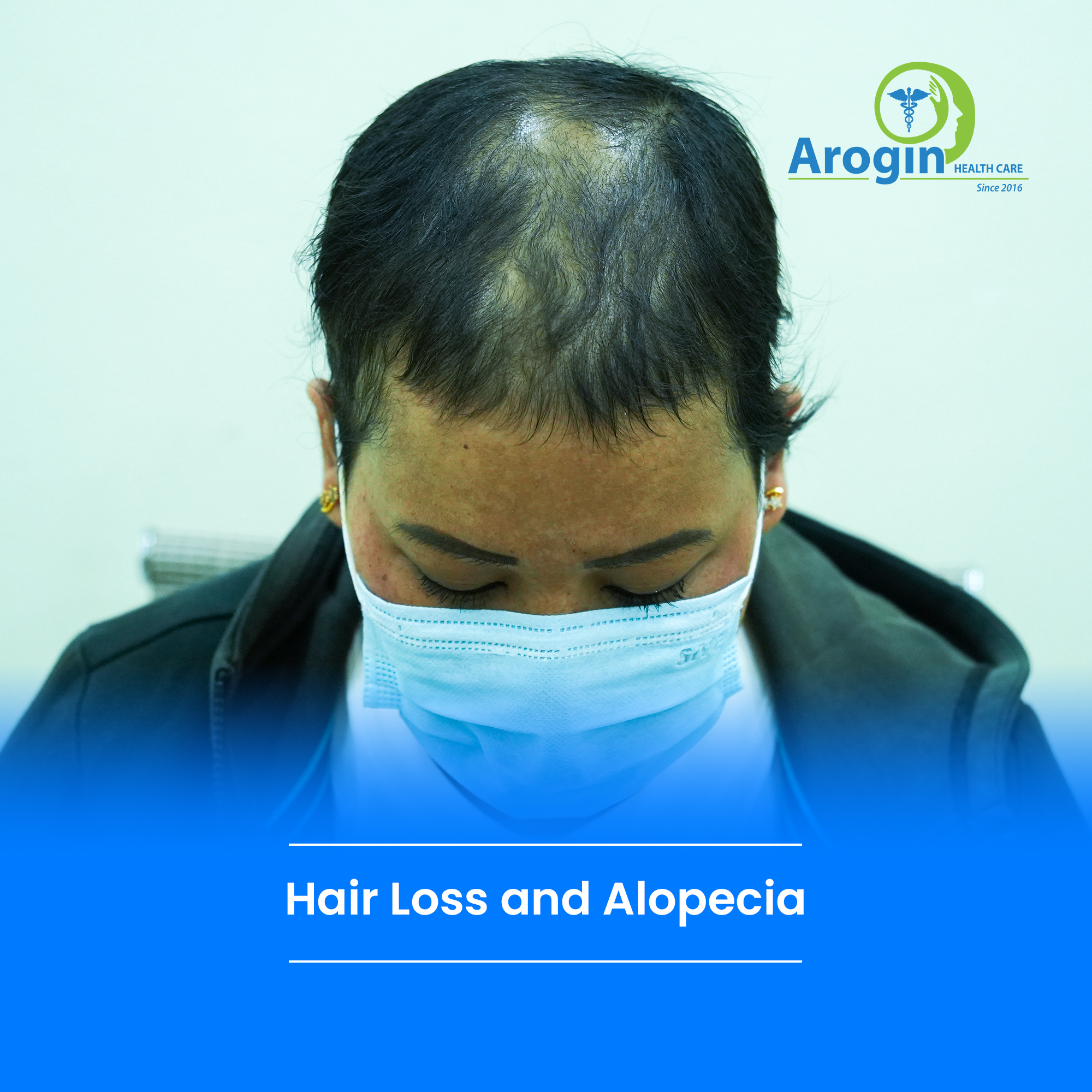
The medical term for abnormal hair loss is alopecia. It's common to lose up to 100 hairs every day. An underlying problem that requires medical attention may be indicated if the number increases beyond that or if patterns of thinning become apparent. There are two primary types of alopecia: non-scarring and scarring.
Scarring Alopecia
The hair follicles and the surrounding skin are permanently damaged in scarring alopecia. The follicles can become so damaged by burns, trauma, radiation, and some skin conditions that they are unable to produce new hair. This kind of loss cannot be reversed by medication. A hair transplant is typically the only dependable method of restoring coverage in these circumstances.
Non-Scarring Alopecia
Even though there may be significant shedding in non-scarring alopecia, the follicles are still alive. With the proper care, the hair can regrow because the roots are still there. This category includes:
- Androgenetic alopecia
- Alopecia areata
- Telogen effluvium
- Anagen effluvium
- Traction alopecia
- Trichotillomania
Androgenetic alopecia is the most common of these. It impacts both sexes and is frequently associated with hormonal activity and genetics.
Male Pattern Baldness
Thinning at the crown or temples is typically the first sign of male pattern baldness. The hairline progressively shifts backward in a V shape at the temples. The loss begins as a tiny, round patch at the crown and gradually grows. The Hamilton Norwood scale is used to measure the various stages that these changes go through.
The thinning areas may eventually come together, leaving very little coverage on the top of the scalp. This pattern is common in men especially after their late twenties.
Female Pattern Baldness
Women experience a different pattern. Instead of a receding hairline, the first sign is often a widening part or the impression that the hair is not as full as before. The thinning tends to be spread across the top of the scalp rather than forming distinct bald spots.
Women rarely lose their frontal hairline, but the density behind it can reduce noticeably, especially with age or hormonal shifts.
How Male and Female Patterns Differ
Men commonly thin in the front, middle, and crown. Women mostly thin along the central part of the scalp.
Men often develop visible bald patches. Women usually see overall reduction in fullness.
The frontal hairline stays mostly the same in women, while it shifts back steadily in men.
A much higher percentage of men experience temple thinning early. Only a small share of women show this change.
Can Androgenetic Alopecia Be Treated?
In androgenetic alopecia, the follicles gradually shrink due to hormonal activity, mainly the effect of DHT. Once a follicle becomes inactive, it cannot grow thick strands again. This is why lost hair in these areas cannot be brought back through home remedies, diet, or natural methods.
There are, however, medical treatments that help slow the process:
- FDA-approved medicines
- PRP, mesotherapy, and low-level laser therapy
- Hair transplant surgery
A hair transplant remains the most reliable way to rebuild density where the follicles have stopped working. In Nepal, many patients choose Arogin Healthcare because of its consistent results, careful surgical planning, and the B.E.S.T. technique, which provides high graft survival and a very natural finish. The focus on precision helps set the clinic apart for anyone comparing options.
What Affects Hair Transplant Cost?
The price of a hair transplant varies based on:
- Where the procedure is done
- How much area needs coverage
- The technique used
- The doctor’s skill and experience
For a detailed breakdown specific to Nepal, patients often look for updated information before choosing a clinic. Costs can differ widely, so an in person evaluation is the only accurate way to know how many grafts you need and which technique will work best.
When Should You Seek Help?
If hair fall is increasing or the thinning has become noticeable, early medical advice helps prevent further loss. Alopecia is a medical condition, and delaying treatment only gives it more time to progress.
Arogin Healthcare provides diagnosis and treatment for all types of alopecia. The team evaluates your scalp, identifies the cause and recommends the right plan whether it’s therapy, medication, or a full hair restoration procedure.
To get clarity on what’s happening with your hair, you can book a consultation anytime.